How Often Should You Bathe a Dog? A Bath Chart by Coat Type
How often should you bathe a dog? For most healthy adult dogs, every 4 to 8 weeks is about right, and the ASPCA recommends a bath at least once every three months. But a Basset Hound with an oily coat and a Husky that barely smells need very different schedules. Coat type matters most, then skin, lifestyle and age. Below you’ll find a bath chart for 8 coat types, the signs you’re bathing too often or not enough, a step-by-step bath and drying routine, and easy ways to keep your dog fresh between baths.
Quick Picks: How Often Should You Bathe a Dog
- Most dogs: every 4–8 weeks (short answer)
- Your dog’s coat: bath chart for 8 coat types
- Puppies and seniors: what changes with age
- Too often or not enough? the signs to watch
- Bath day: step-by-step routine and drying
- Fresh between baths: simple habits
How Often Should You Bathe a Dog? The Short Answer
For a healthy adult dog that lives indoors:
- Every 4–8 weeks for most dogs.
- Every 1–4 weeks for oily coats, long silky coats, curly non-shedding coats and hairless breeds.
- Every 6–12 weeks for short and thick double coats that naturally shed dirt.
- Right away if your dog rolls in something smelly, gets mud down to the skin or runs through a tick-heavy area.
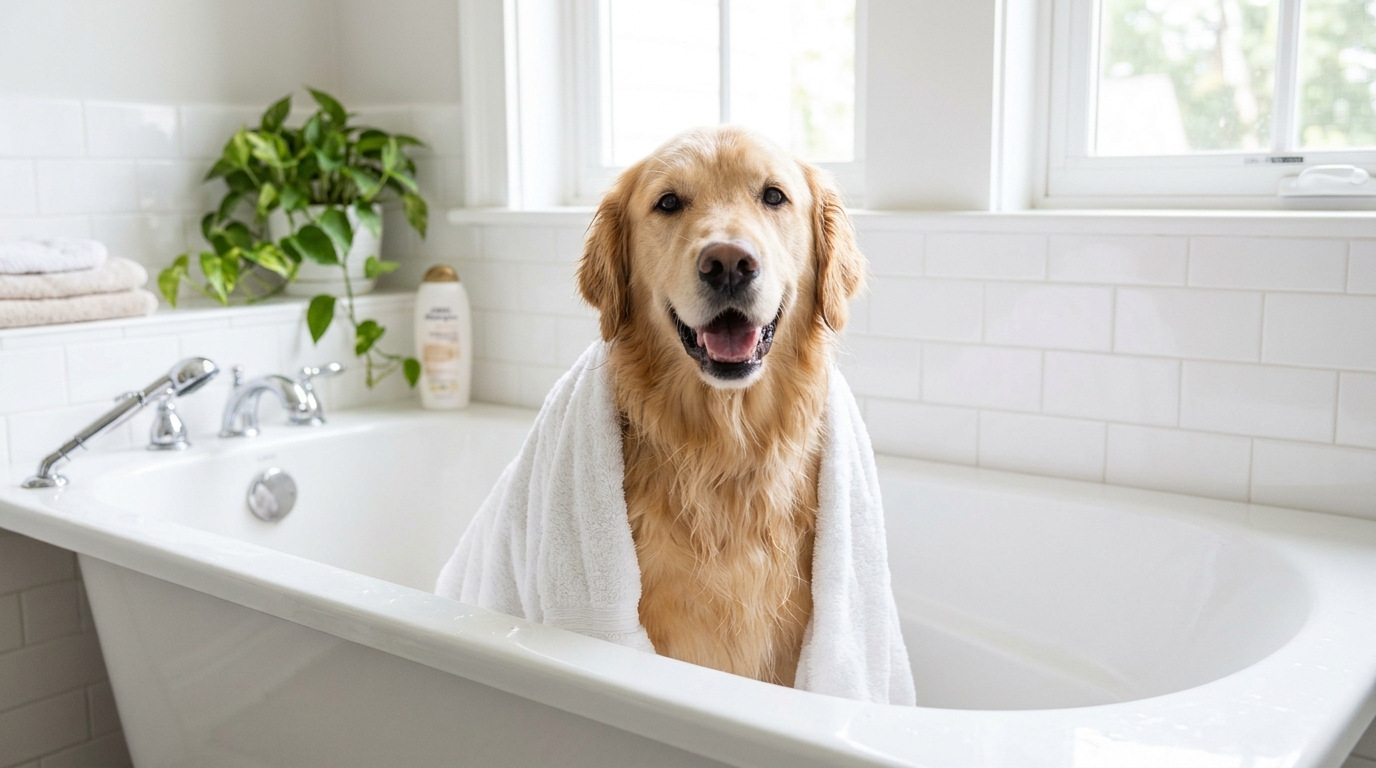
Groomers quoted by the American Kennel Club use a simple test: bathe your dog when it’s no longer nice to hug. More baths than that are not “extra clean”. Shampoo washes away sebum, the natural oil that keeps skin moisturized and the coat water-resistant. Wash too often and you get dry, flaky, itchy skin.
How Often Should You Bathe a Dog by Coat Type
When people ask how often should you bathe a dog, the honest answer starts with the coat. Find your dog’s coat in the chart. If your dog is a mix, go by the coat you actually see, not the breeds on paper.
| Coat type | Breed examples | Bath | Brushing |
|---|---|---|---|
| Smooth short coat | Boxer, Dalmatian, Doberman, Beagle | Every 6–8 weeks | Weekly, rubber mitt |
| Short double coat | Labrador, Pug, Corgi | Every 6–8 weeks | 1–2 times a week |
| Thick double coat | Golden Retriever, German Shepherd, Husky, Samoyed | Every 6–12 weeks | 2–3 times a week, daily when shedding |
| Long silky coat | Shih Tzu, Yorkshire Terrier, Maltese | Every 3–4 weeks | Daily |
| Curly, non-shedding | Poodle, Bichon Frise, Doodles | Every 3–4 weeks | Every 1–2 days, down to the skin |
| Wire coat | Schnauzer, Westie, Wire Fox Terrier | Every 6–8 weeks | Weekly |
| Oily coat | Basset Hound, Cocker Spaniel, Shar-Pei | Every 1–4 weeks | 2–3 times a week |
| Hairless | Chinese Crested, Xoloitzcuintli | Every 1–2 weeks | None, wipe skin instead |
A few coat details change how you bathe, not just how often:
- Double coats: brush out the loose undercoat before the bath, or water won’t reach the skin. Never shave these dogs to “make bathing easier”. The coat protects them from heat and cold.
- Curly coats: water tightens mats into felt. Comb right down to the skin first, and book a professional trim every 4–6 weeks.
- Wire coats: frequent baths soften the harsh texture. Wash the beard and legs more often and the whole dog less.
- Oily coats: skin folds, lips and ears trap oil and yeast. Clean and dry the folds even between full baths.
- Hairless breeds: the skin gets oily and prone to blackheads, so they need more frequent gentle washes, plus dog-safe sunscreen outdoors.
Other Things That Change How Often You Should Bathe a Dog
- Lifestyle. For an active dog, how often should you bathe a dog depends more on the mud than the calendar. A couch dog that walks on city sidewalks can go longer. A dog that hikes, digs and runs through fields may need a bath every 2–4 weeks.
- Swimming. After the sea or a chlorinated pool, rinse with plain lukewarm water. You don’t need shampoo every time. Salt and chlorine left in the coat dry out the skin.
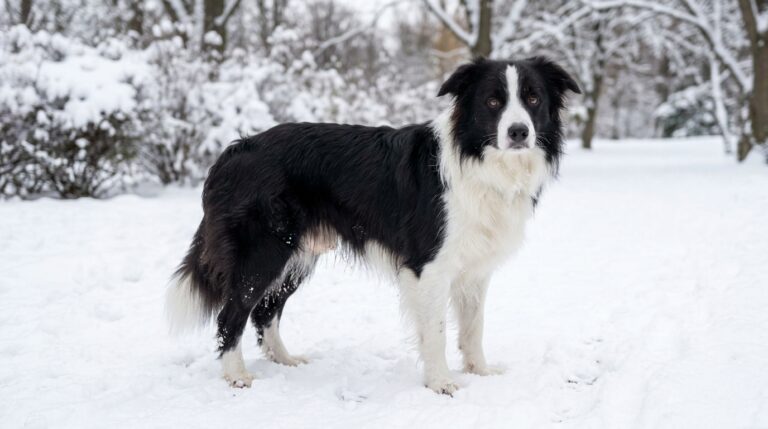
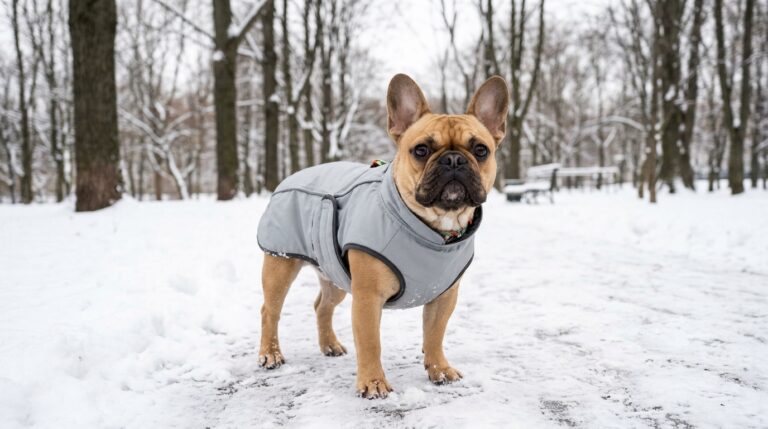
- Season. Most dogs need more baths in summer and fewer in winter. In cold months, bathe only when needed and make sure your dog is fully dry before going out. More cold-weather tips are in our guide on how to keep dogs warm in winter.
- Skin problems. Dogs with allergies, yeast or bacterial skin infections may need a medicated shampoo once or twice a week. Your vet sets this schedule, not the coat chart.
- Allergies in the family. A bath lowers dog allergen on the coat, but levels return within a few days. If someone at home is allergic, a gentle bath once or twice a week with a moisturizing shampoo can help. Ask your vet which product is mild enough for that frequency.
How Often Should You Bathe a Dog as a Puppy or Senior?
Puppies
For puppies, the answer to how often should you bathe a dog is simple: only when it’s needed. Most puppies can have their first real bath at around 8 weeks old. Before that, spot clean with a warm damp cloth. After that, bathe only when the puppy is dirty or smelly, usually no more than once a month. Use a puppy shampoo, keep the room warm and the bath short. The main goal at this age is a calm, positive first experience: lots of treats, gentle handling, no water in the face. A puppy that learns baths are fine becomes an adult you can actually bathe.
Senior Dogs
Older dogs often have drier skin and stiff joints. How often should you bathe a dog at this age? Keep the usual schedule for their coat, but make bath time easier: a non-slip mat, a handheld shower so they don’t have to climb in and out, short sessions and a moisturizing shampoo. A waterless shampoo between baths is a good option for dogs with arthritis.
Signs You’re Bathing Your Dog Too Often or Not Enough
Not sure your schedule is right? Your dog’s skin and coat answer how often should you bathe a dog better than any chart. Check this table a day or two after the bath:
| Bathing too often | Not bathing enough |
|---|---|
| Dry, flaky skin or dandruff | Noticeable “doggy” smell |
| Dull, brittle coat | Greasy coat that feels sticky |
| Scratching soon after baths | Mats and tangles forming |
| Red or irritated patches | Dirt left on your hands after petting |
| Coat no longer sheds water | Itching from dirt and dead hair buildup |
Important: if your dog smells bad again just 2–3 days after a bath, more baths won’t fix it. A quick return of odor usually comes from the ears, teeth, anal glands or a skin infection. That’s a reason to see the vet, not to reach for the shampoo.
How to Bathe a Dog: Step by Step
Knowing how often you should bathe a dog is half the job. The other half is a bath that cleans the skin without irritating it.
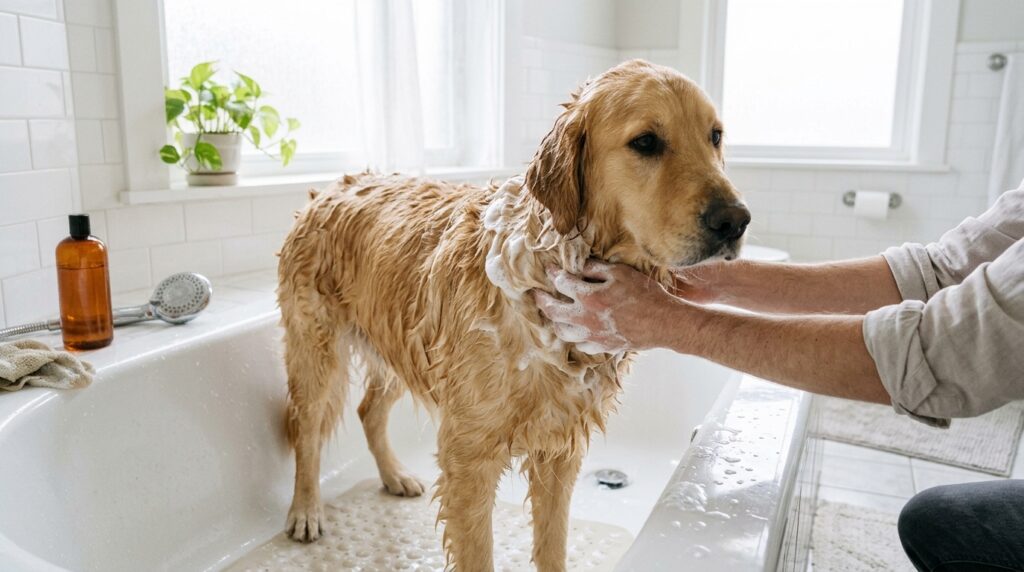
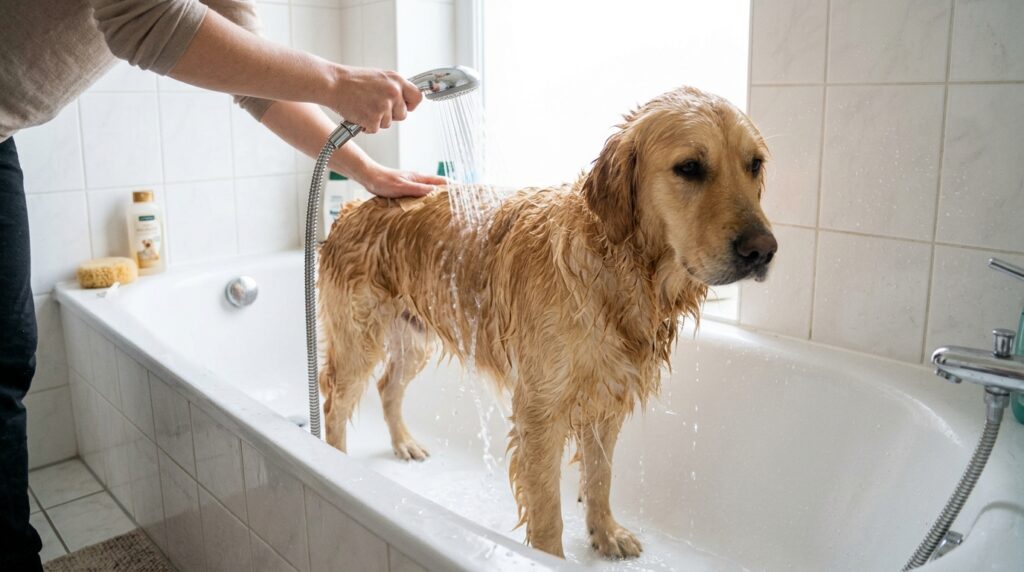
- Brush first. Remove loose hair and tangles before the coat gets wet. Wet mats only get tighter.
- Get everything ready. Dog shampoo, a non-slip mat, 2–3 towels, a washcloth for the face and treats. Once your dog is wet, you can’t leave to grab something.
- Check the water. Lukewarm, close to body temperature. Test it on your wrist like a baby bath.
- Wet down to the skin. Start at the neck and work back. Thick double coats take several minutes to soak through.
- Shampoo with a dog product. Dog skin is less acidic than ours, so human shampoo can dry it out. Massage the lather into the skin, not just the top of the coat. On long coats, work in the direction the hair grows.
- Clean the face with a washcloth. No shampoo near the eyes. A cotton ball at the entrance of each ear (not pushed inside) helps keep water out.
- Rinse twice as long as you lathered. Leftover shampoo is one of the most common causes of itching after a bath. Rinse until the water runs clear and the coat feels squeaky clean.
- Condition long and curly coats. A dog conditioner makes brushing easier and reduces breakage. Rinse it out well too.
Drying: The Step Most Owners Rush
Even the perfect answer to how often should you bathe a dog won’t help if the coat stays damp for hours. Drying is part of the bath:
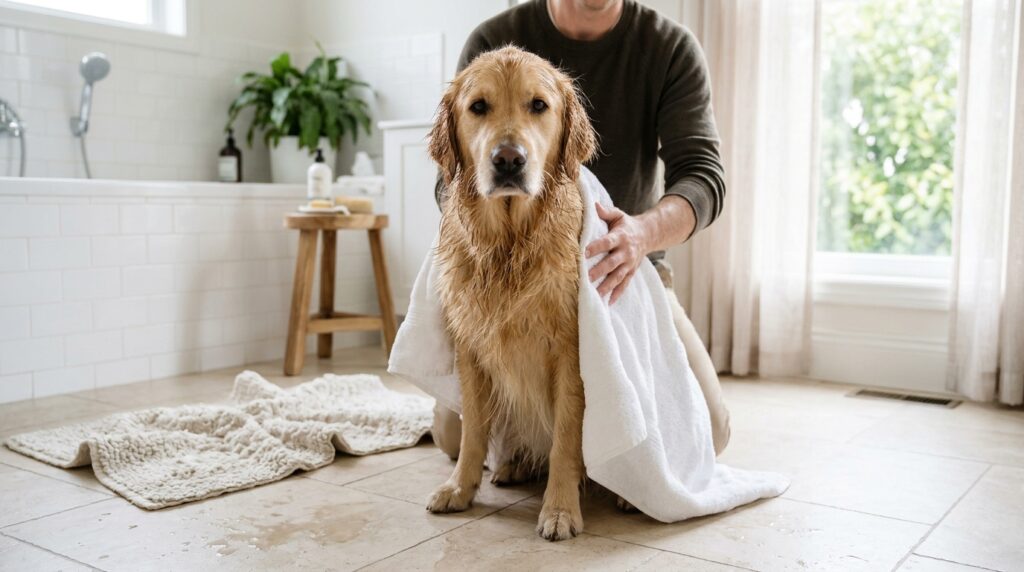
- Let your dog shake first. It removes a surprising amount of water.
- Squeeze and pat with towels instead of rubbing hard. Rubbing tangles long coats.
- Use a dryer on a cool or low setting, keep it moving and hold it at least a hand’s width from the skin. Never use the hot setting of a human hair dryer.
- Dry double coats down to the skin. A damp undercoat can stay wet for hours and lead to hot spots and a musty smell.
- Dry between the toes and inside the ear flaps. Moisture there feeds yeast.
- Keep your dog in a warm room until fully dry, and don’t go outside in cold weather with a damp coat.
How to Keep Your Dog Clean Between Baths
Good habits between baths are why the answer to how often should you bathe a dog can stay at once every month or two, with no dog smell in the house:
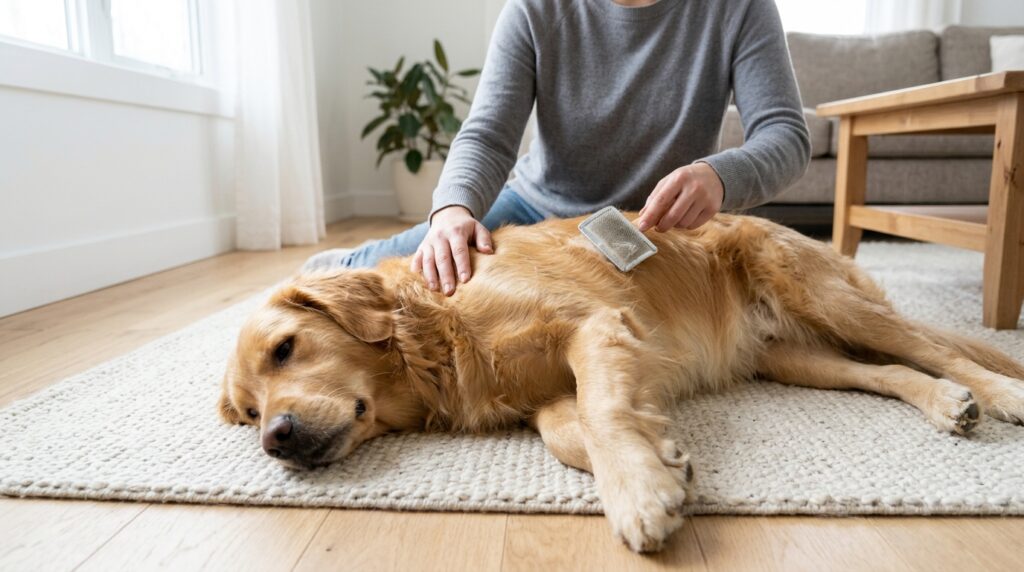
- Brush on schedule. Brushing removes dirt and dead hair and spreads natural oils through the coat. It does more for a clean coat than an extra bath.
- Rinse, don’t shampoo, after muddy walks. Plain water on the legs and belly is enough most of the time.
- Wipe the paws at the door. In winter this also removes road salt. See our guide to winter paw care for dogs.
- Use a damp washcloth on short-coated dogs after the park. Spot clean the face, beard and rear end.
- Keep a waterless shampoo for quick freshening. It absorbs oil and odor without a full bath.
- Wash the dog bed weekly. A clean dog on a dirty bed smells again within days. Wash blankets and soft toys too.
When to Call the Vet
Book a vet visit instead of another bath if you notice:
- A strong smell that comes back within days
- Constant scratching, licking or chewing
- Red skin, scabs, bumps or bald patches
- Greasy, yellow flakes or a sticky coat
- Head shaking or a smell from the ears
- Fleas or flea dirt (tiny black specks) in the coat
For dogs with skin problems, how often should you bathe a dog is a question for your vet. Skin problems need a diagnosis first. The right medicated shampoo and the right bath schedule depend on what’s causing them.
How Often Should You Bathe a Dog: FAQ
Is it OK to bathe a dog once a week?
For some dogs, yes: oily coats, hairless breeds, dogs on medicated shampoo or homes with allergies. Use a gentle, moisturizing dog shampoo and watch for dry skin. Most other dogs simply don’t need it.
Can I use human or baby shampoo on my dog?
It’s better not to. Human products, including baby shampoo, are made for more acidic skin and can dry out a dog’s skin over time. Choose a shampoo made for dogs.
Can I just rinse my dog with water?
Yes. A plain-water rinse after mud, sand, the sea or the pool is safe even several times a week. It doesn’t count as a full bath, since it won’t remove oil and odor.
How often should you bathe a dog in winter?
Usually less often than in summer: stretch to the longer end of your dog’s range. Heated homes already dry the skin. Bathe with warm water and dry your dog completely before any walk.
How often should you bathe a dog with itchy skin or allergies?
Often more than a healthy dog, sometimes once or twice a week, but only with the shampoo and schedule your vet recommends. Regular shampoo used that often can make itching worse. Medicated shampoos usually need to stay on the skin for 5–10 minutes before rinsing, so read the label.
How often should you bathe a dog that swims a lot?
Rinse with plain water after every swim in the sea or a pool, and keep the shampoo bath on your dog’s normal coat schedule. Lake and river water can leave a smell, so swimmers may need a full bath a bit more often in summer.
Why does my dog still smell after a bath?
Common reasons: a damp undercoat, a dirty bed, ear or dental problems, full anal glands or a skin infection. Dry thoroughly and wash the bedding. If the smell stays, see your vet.
How Often Should You Bathe a Dog: Quick Checklist
Save this list and you won’t have to look up how often should you bathe a dog again:
- Bath schedule picked by coat type (most dogs every 4–8 weeks)
- Brushing done before every bath
- Dog shampoo only, lukewarm water
- Rinsed twice as long as lathered
- Dried down to the skin, between toes and in the ears
- Plain-water rinses and paw wipes between baths
- Dog bed washed weekly
- Vet called for odor that returns fast, itching or skin changes
So, how often should you bathe a dog? As often as your dog’s coat, skin and lifestyle need, and no more. Pick the range from the chart, brush in between, and adjust when you see dry skin or smell that “doggy” odor. Your dog stays clean, comfortable and huggable.