How to Keep Dogs Warm in Winter: Indoors, on Walks and Outside
How to keep dogs warm in winter depends on three things: your dog’s size and coat, how long they spend outside, and how warm and dry they stay once they come back in. A husky and a Chihuahua need very different winters. Below: the temperatures that become risky, the signs your dog is cold, which dogs need a coat, how to set up a warm home, safe walks, and what to do if you suspect hypothermia or frostbite.
Quick Picks: How to Keep Dogs Warm in Winter
- How cold is too cold: temperature chart
- Is my dog cold? 7 signs to watch
- Coat or no coat: which dogs need one
- At home: warm bed, no drafts, safe heaters
- Walks: shorter, midday, paws wiped
- Emergency: hypothermia and frostbite first aid
How Cold Is Too Cold for Dogs?
The first rule of how to keep dogs warm in winter is knowing when the cold becomes a risk. There’s no single number for every dog, but vets use roughly the same ranges. Wind, rain and wet fur make any temperature feel colder, so treat a windy 35°F day like a 25°F one. A simple rule: if you need a heavy coat and gloves, your dog probably needs help too.
| Temperature | What it means | What to do |
|---|---|---|
| Above 45°F (7°C) | Comfortable for most dogs | Normal walks |
| 32–45°F (0–7°C) | Small, short-haired, young and senior dogs start to feel cold | Coat for these dogs, keep them moving |
| 20–32°F (−7–0°C) | Risky for small and thin-coated dogs; all dogs feel it on long outings | Shorter walks, coat for vulnerable dogs, no long sitting outside |
| Below 20°F (−7°C) | Hypothermia and frostbite risk for every dog | Quick potty breaks only, play indoors |
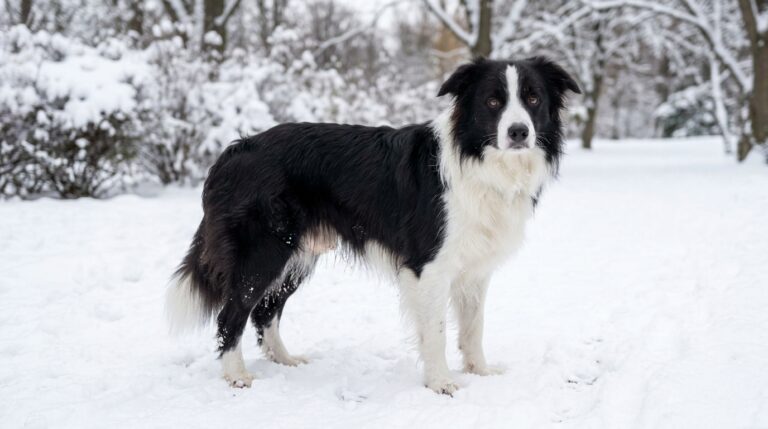
Healthy cold-weather breeds like Huskies, Malamutes and Bernese Mountain Dogs can usually stay out longer, but even they shouldn’t be left outside unsupervised in freezing weather. For more detail on breed and size, see this vet-reviewed guide from PetMD.
Signs Your Dog Is Too Cold
Dogs rarely complain out loud, so learning to read their body is the first step in how to keep dogs warm in winter. Head home if you see:
- Shivering or trembling
- Hunched posture with the tail tucked
- Lifting paws off the ground or refusing to walk
- Whining, or turning back toward home
- Looking for shelter: hiding under benches, pressing against your legs
- Slowing down, seeming tired or anxious
- Cold ears, paws and tail when you touch them
How to Keep Dogs Warm in Winter With a Coat: Who Needs One
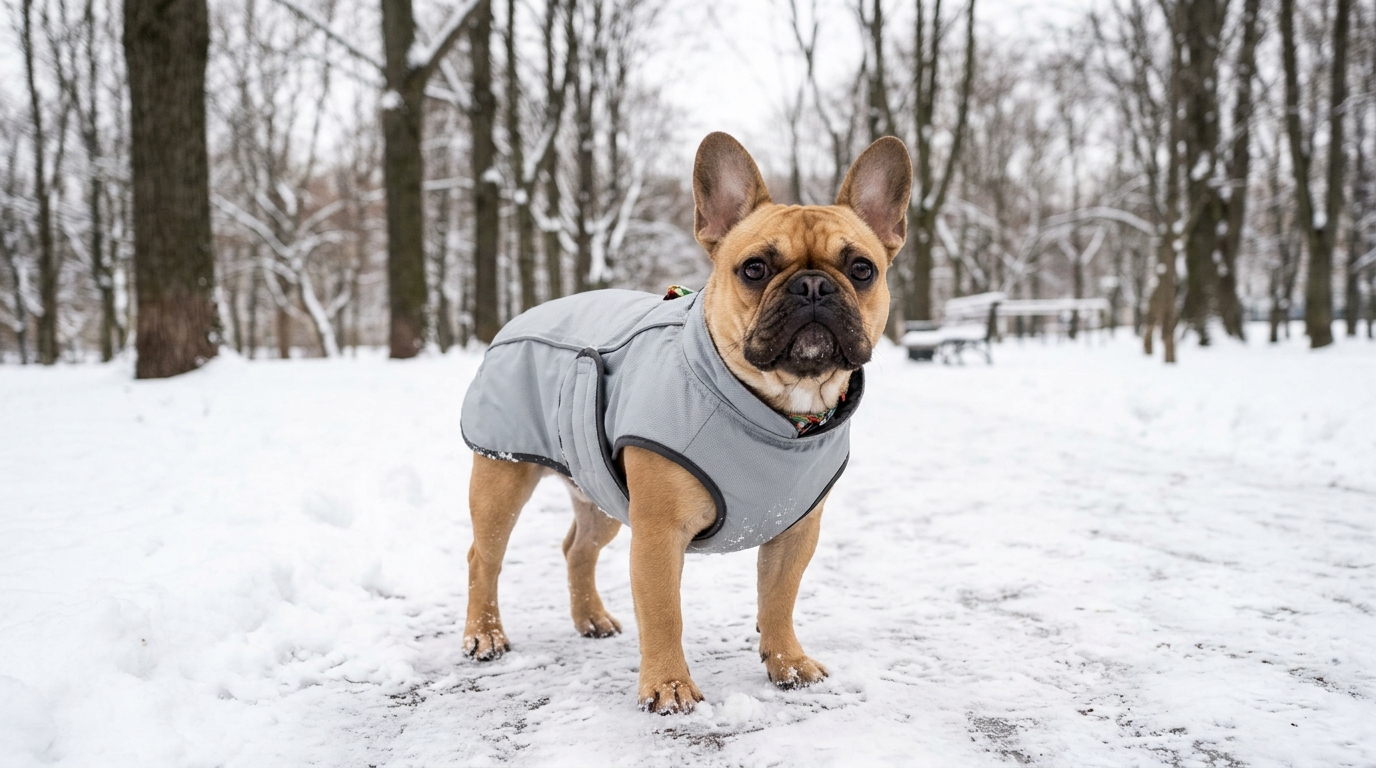
A coat isn’t a fashion item for every dog, but for some it’s the single most useful answer to how to keep dogs warm in winter. It matters most for dogs that lose heat fast.
| Usually needs a coat below 40°F (4°C) | Usually fine without one |
|---|---|
| Small breeds: Chihuahua, Yorkie, Miniature Pinscher | Huskies, Malamutes, Samoyeds |
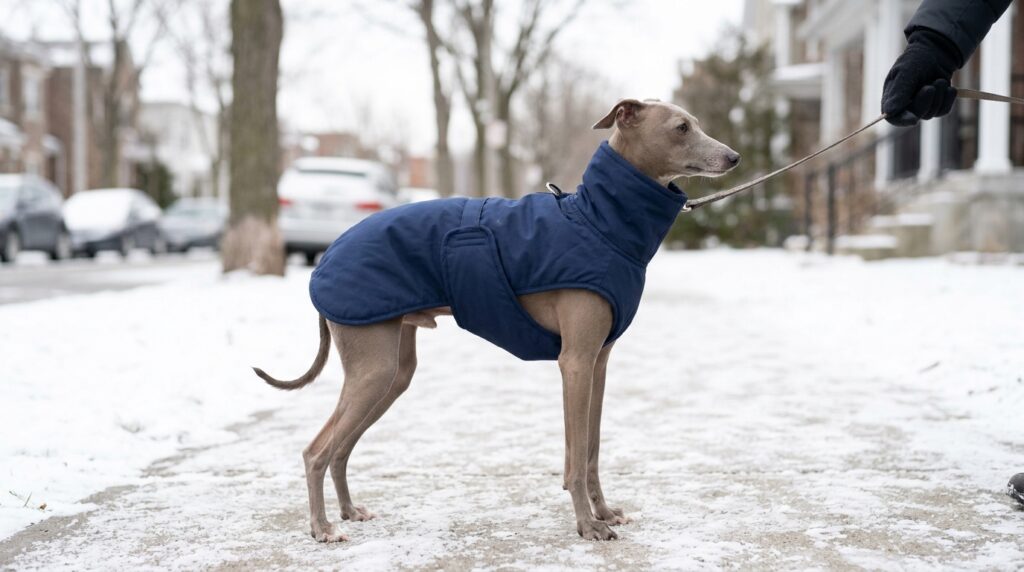
| Thin, lean breeds: Greyhound, Whippet, Italian Greyhound | Bernese Mountain Dogs, Newfoundlands |
| Short single coats: Boxer, Doberman, French Bulldog, Pit Bull | Akitas, Shiba Inus, Great Pyrenees |
| Low to the ground: Dachshund, Corgi (belly gets wet) | Most healthy large dogs with a thick double coat |
| Puppies, seniors, very thin dogs, dogs with arthritis or illness | Any of the above, unless old, sick or wet |
How to choose a coat that actually works:
- Measure three things: back length (base of neck to base of tail), chest at the widest point, and neck.
- Cover the belly. Short-legged dogs lose most heat through a wet underside.
- Waterproof outer layer for rain and snow. A knit sweater gets soaked and makes a dog colder.
- Check the fit: two fingers should slide under the straps, and your dog should walk, sit and pee without the coat getting in the way.
- Take it off indoors so your dog doesn’t overheat.
How to Keep Dogs Warm in Winter Indoors
Your house feels warm to you, but your dog sleeps on the floor, where it’s colder and draftier. Small changes make a big difference when you think about how to keep dogs warm in winter at home.
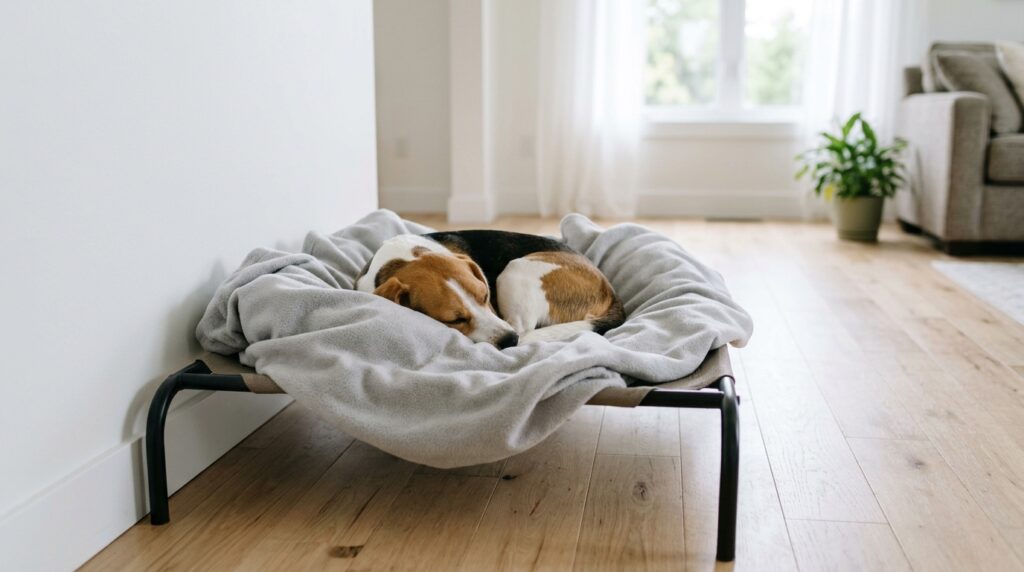
- Raise the bed off the floor. A raised bed or a thick foam base keeps your dog away from cold tiles.
- Move the bed away from doors and windows. Put your hand where the bed sits; if you feel a draft, move it.
- Add a blanket your dog can burrow into. Many small dogs love a covered “cave” bed.
- Use only pet-made heated pads on low, with a chew-proof cord, and leave room on the bed so your dog can move off it. Never use a human heating pad, which can burn.
- Keep space heaters out of reach. Dogs lie too close and get burned, and a wagging tail can knock a heater over.
- Dry your dog fully after every walk or bath. Wet fur loses its insulation.
How to Keep Dogs Warm in Winter on Walks
Most cold injuries happen outside, so walks are where how to keep dogs warm in winter matters most.
- Walk at midday, the warmest and brightest part of the day.
- Go shorter and more often. Two 15-minute walks are safer than one 40-minute walk in the cold.
- Keep moving. A dog that stands still while you chat with a neighbor cools fast.
- Keep the leash on in snow. Snow covers familiar smells, so dogs get lost more easily. Make sure the ID tag and microchip details are current.
- Stay off frozen ponds and lakes. The ice may not hold your dog’s weight.
- Wear reflective gear on dark winter mornings and evenings.
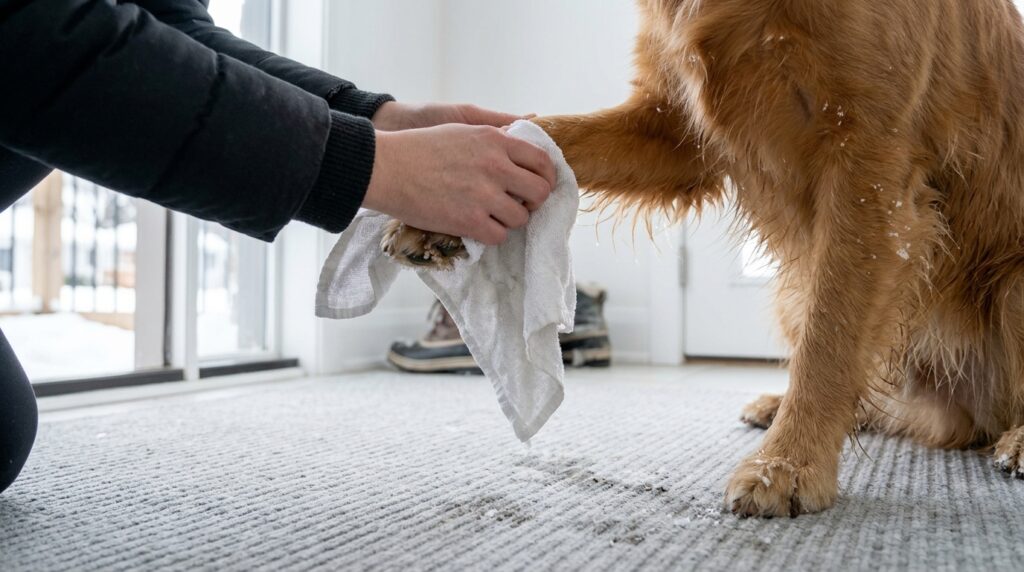
- Wipe paws and belly at the door with a damp cloth, then dry. Road salt and ice melt burn paw pads and are harmful if licked off. Trim the fur between the pads so snowballs don’t form.
- Never leave your dog in a parked car. In winter a car holds in the cold like a fridge.
Cracked or sore pads are the most common winter problem. Our guide to winter paw care for dogs covers balms, booties and what to do about salt burns.
Food, Water and Grooming in Cold Weather
How to keep dogs warm in winter also comes down to a healthy coat, the right amount of food and enough water.
- Adjust food to activity. Dogs that spend a lot of time outside burn extra calories to stay warm and may need a little more food. Dogs that walk less in winter may need less. Weigh your dog monthly and adjust.
- Keep water available and unfrozen. Heated homes are dry, and dehydration dries out skin and paws.
- Don’t shave your dog in winter. A longer coat is natural insulation. Trimming for hygiene is fine.
- Bathe less often. Frequent baths strip the oils that protect skin. When you do bathe, use warm water and dry completely before going out.
- Watch holiday treats. Rich leftovers aren’t extra “winter fuel”. Check what’s safe in our guide can dogs eat turkey.
How to Keep Dogs Warm in Winter If They Live Outside
The best answer is to bring them in, especially below freezing and in wind, rain or snow. If your dog must spend time outdoors, the shelter has to do the work:
- Insulated and raised a few inches off the ground.
- Small enough for your dog to warm it with body heat, but big enough to stand and turn around.
- Door facing away from the wind, covered with a heavy flap.
- Straw bedding, not blankets. Blankets soak up moisture and freeze; straw stays dry. Change it often.
- A heated water bowl so water doesn’t freeze.
Antifreeze warning: car antifreeze (ethylene glycol) tastes sweet, and a small amount can be fatal. Wipe up spills, store bottles closed and high, and call your vet immediately if you think your dog licked some. The ASPCA’s cold weather safety tips have more on winter poisons.
Hypothermia and Frostbite: What to Do
Knowing how to keep dogs warm in winter also means knowing what to do when it goes wrong.
Signs of hypothermia
Strong shivering that later stops, weakness, slow or stiff movements, pale or grey gums, slow breathing, confusion. A normal dog temperature is 101–102.5°F (38.3–39.2°C). Below 99°F (37.2°C) is hypothermia.
Signs of frostbite
It usually hits the ear tips, tail, paws and scrotum. Skin looks pale, grey or bluish and feels cold and hard. As it warms up, it can turn red, swollen and painful. Damage may only show a few days later.
First aid on the way to the vet
- Bring your dog inside to a warm room.
- Dry them with towels if wet.
- Wrap in warm blankets. You can warm them in the dryer for a few minutes first.
- Add gentle heat: a bottle of warm (not hot) water wrapped in a towel against the chest and belly.
- For frostbite, don’t rub the area and don’t use a hair dryer or heating pad on it. Warm it slowly with lukewarm water, then pat dry.
When to call the vet: right away if your dog is weak, confused, has stopped shivering while still cold, has pale or grey gums, or has skin that stays pale, hard or blackened. Call too if you suspect your dog licked antifreeze or ate ice melt, even if they seem fine.
How to Keep Dogs Warm in Winter: FAQ
How long can dogs stay outside in winter?
Below freezing, small, thin-coated, young and senior dogs should stick to short 10–15 minute outings. Healthy large dogs with thick double coats can usually handle 30–60 minutes if they keep moving. Below 20°F (−7°C), keep every dog to quick potty breaks.
Do dogs need blankets at night?
Yes, a blanket is a simple part of how to keep dogs warm in winter at night. Small, short-haired and senior dogs often sleep better with one, especially in a cool house. Give them one they can get in and out of on their own, so they never get too hot.
Should my dog wear a sweater indoors?
Usually not. A sweater indoors only makes sense for very small, hairless or elderly dogs in a cold home. If your dog pants or looks restless, take it off.
Do dogs need boots in winter?
Boots help on salted sidewalks, ice and in deep cold, especially for dogs with sore or cracked pads. Many dogs need a few short practice sessions at home before they walk normally in them. For dogs that refuse boots, a paw balm covers that part of how to keep dogs warm in winter on icy days.
How to Keep Dogs Warm in Winter: Quick Checklist
- Check the temperature and wind before every walk
- Waterproof coat for small, thin-coated, young and senior dogs
- Shorter midday walks, leash on in snow, ID tag on
- Paws and belly wiped and dried after every walk
- Raised bed away from drafts, blanket to burrow in
- No space heaters or human heating pads within reach
- Fresh, unfrozen water and food adjusted to activity
- Antifreeze and ice melt stored out of reach
How to keep dogs warm in winter isn’t complicated once you know your dog’s limits. Watch their body, dress them for their coat type, keep them dry, and when it’s bitterly cold, keep playtime indoors.